














English
In precision measurement, telecentric optics is one of the core technologies for high-precision diameter measurement.
We compare environmental adaptability, inspection capability, stability, and sampling rate across four dimensions, examining the differences between telecentric optics, laser scanning, and laser diffraction to explain why the TL Series ultra-high-speed integrated dimensional and lump & neck-down measurement systems use telecentric optics.
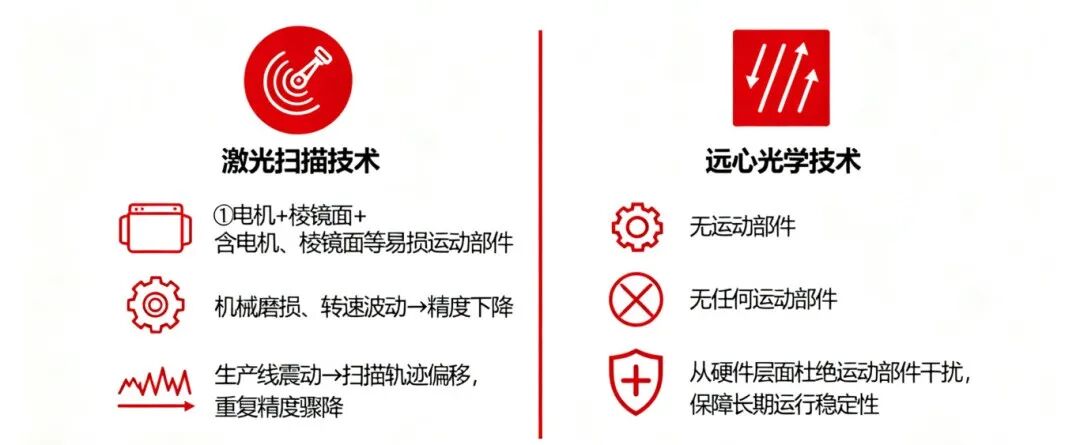
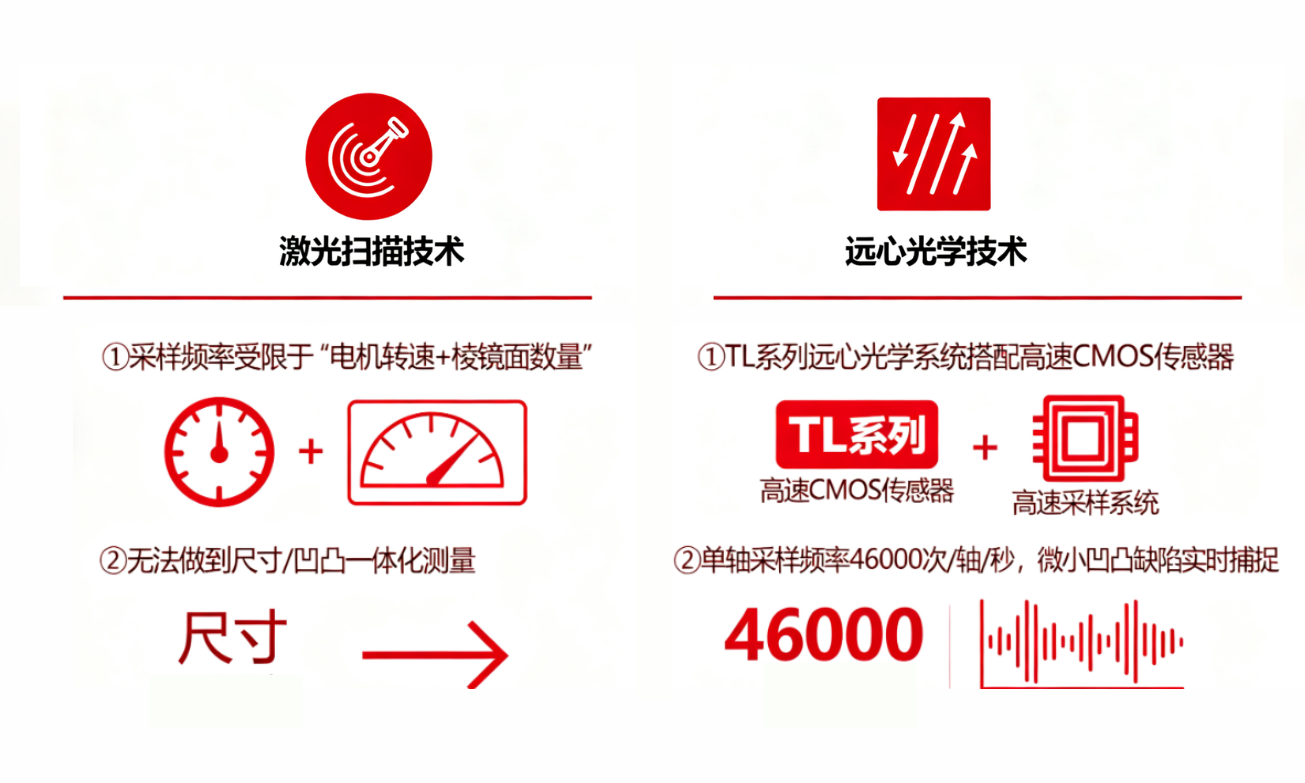
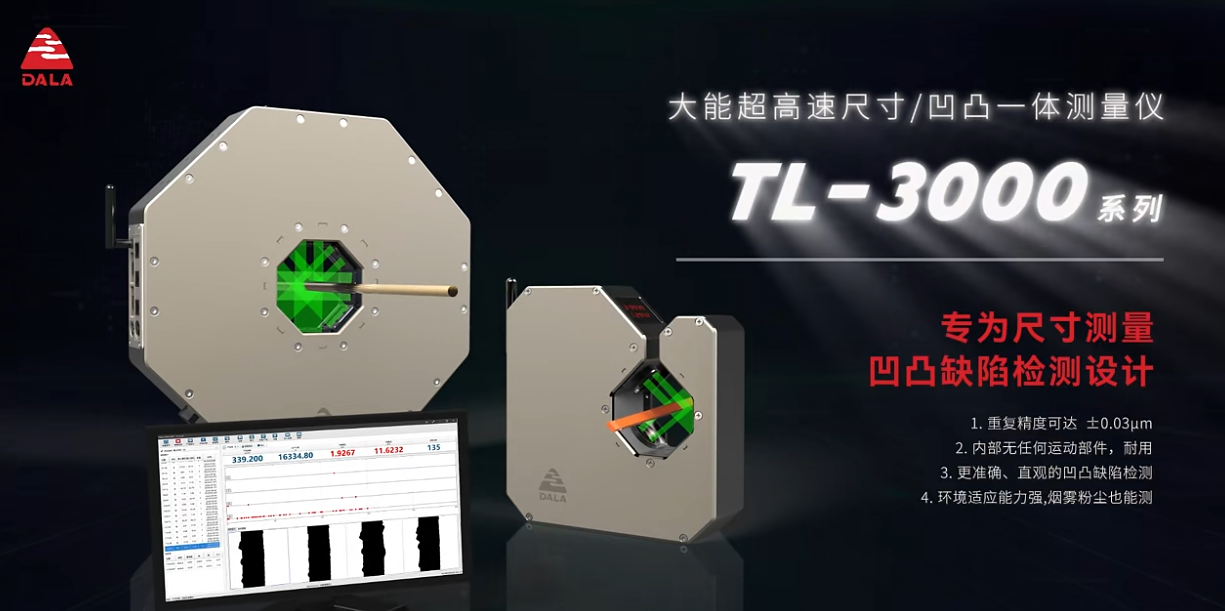
Laser diffraction is known for high precision, but it has inherent limitations under real production conditions. Compared with telecentric optics, there are two key differences: Limited Environmental Adaptability / Excellent Environmental Adaptability · Laser Diffraction In industrial environments, tiny particles such as dust and water mist generate their own diffraction fringes, which overlap with the signal from the measured object and can directly distort the data. Therefore, laser diffraction requires an extremely clean measurement environment. http://www.w3.org/1999/xhtml"},"para",{"tagName":"section","attributes":{"data-role":"paragraph"},"namespaceURI":"http://www.w3.org/1999/xhtml"},"para",{"tagName":"section","attributes":{"data-identifier-application__slash__x-doc-key":"54Lq35opBVxL2l7E"},"namespaceURI":"http://www.w3.org/1999/xhtml"},"para",{"tagName":"section","attributes":{"data-tools":"135编辑器","data-id":"107466"},"namespaceURI":"http://www.w3.org/1999/xhtml"},"para",{"tagName":"section","attributes":{"style":"text-align: center;margin: 10px auto;"},"namespaceURI":"http://www.w3.org/1999/xhtml"},"para",{"tagName":"section","attributes":{"style":"background-color: #f7f7f7;padding: 35px 15px;box-sizing:border-box;"},"namespaceURI":"http://www.w3.org/1999/xhtml"},"para",{"tagName":"section","attributes":{"style":"background-color: #fff;padding: 8px 15px 25px 15px;margin-top: 20px;box-sizing:border-box;"},"namespaceURI":"http://www.w3.org/1999/xhtml"},"para",{"tagName":"section","attributes":{"data-autoskip":"1","style":"margin-top: 10px;text-align: justify;line-height:1.7em;letter-spacing: 1.5px;font-size:14px;color:#000;background: transparent;"},"namespaceURI":"http://www.w3.org/1999/xhtml"},"para",{"tagName":"p","attributes":{"style":"text-align:left;margin: 0px 5px 10px;line-height: 1.75em;display: block;"},"namespaceURI":"http://www.w3.org/1999/xhtml"},"node",{"tagName":"span","attributes":{"style":"color: #3f3f3f;text-shadow: none;font-size: 15px;"},"namespaceURI":"http://www.w3.org/1999/xhtml"}]">· Telecentric Optics By using a parallel optical path that keeps the chief rays parallel to the optical axis, telecentric optics minimizes stray-light interference at the source, maintaining stable accuracy even on high-dust production lines。 Limited Material Applications / Broad Material Compatibility · Laser Diffraction Cannot measure flat wire or irregular cross-section cables, and transparent materials alter the light path, which can affect measurement accuracy. · Telecentric Optics With its large depth of field and low distortion, telecentric optics can capture the full profile of flat wire. By reducing interference from refraction and transmitted light in transparent materials, it can accurately measure round, flat, transparent, and other types of wire and cable. Laser scanning offers a wide measurement range and relatively controllable cost, so it is widely used for conventional industrial measurement. However, it relies on motor-driven prism facets to achieve linear scanning. Compared with telecentric optics, the key differences are: Vibration Resistance & Long-Term Stability · Laser Scanning The motor and prism assembly includes moving parts subject to wear. Mechanical wear and speed fluctuations directly affect scanning accuracy; even slight production-line vibration can shift the scan path and sharply reduce repeatability. · Telecentric Optics With no moving parts, telecentric optics eliminates interference from mechanical motion at the hardware level and supports stable long-term operation. Sampling Rate: From Mechanical Bottleneck to High-Speed Measurement · Laser Scanning The sampling rate is constrained by motor speed and the number of prism facets, making integrated dimensional and lump & neck-down measurement impractical. · Telecentric Optics Paired with high-speed CMOS sensors, the TL Series reaches up to 46,000 samples per axis per second, enabling real-time capture of even small lump and neck-down defects. The DALA TL Series is designed to “provide high-precision integrated solutions for dimensional measurement, lump & neck-down detection, and defect imaging across industries including wire & cable, optical fiber, and precision tubing”, which requires four core capabilities: strong environmental adaptability, broad inspection coverage, high stability, and high-speed sampling.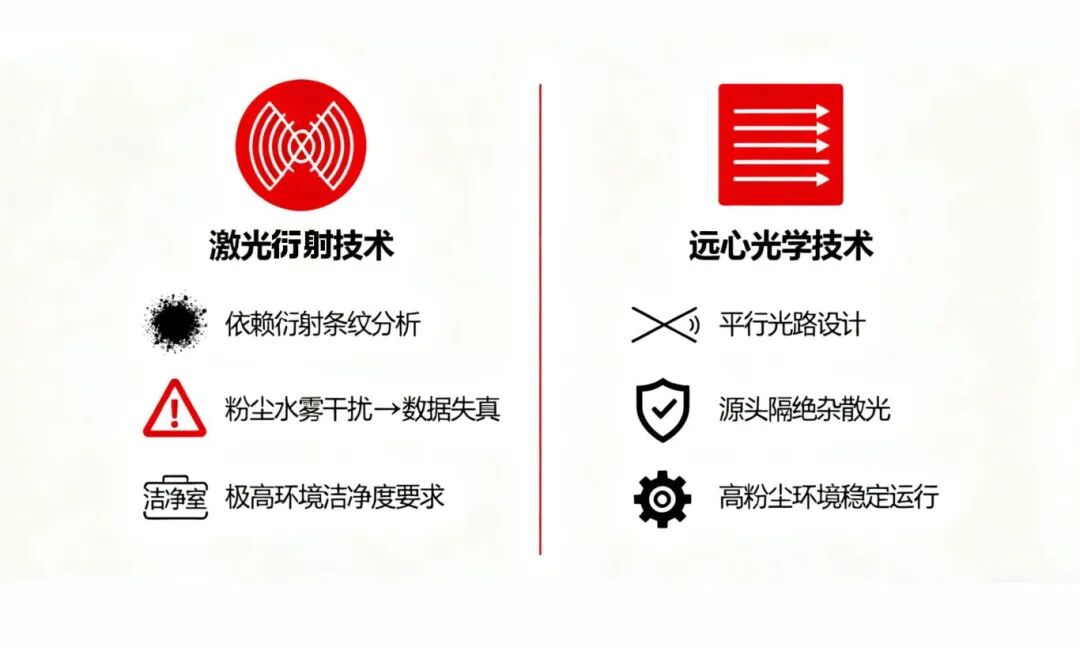
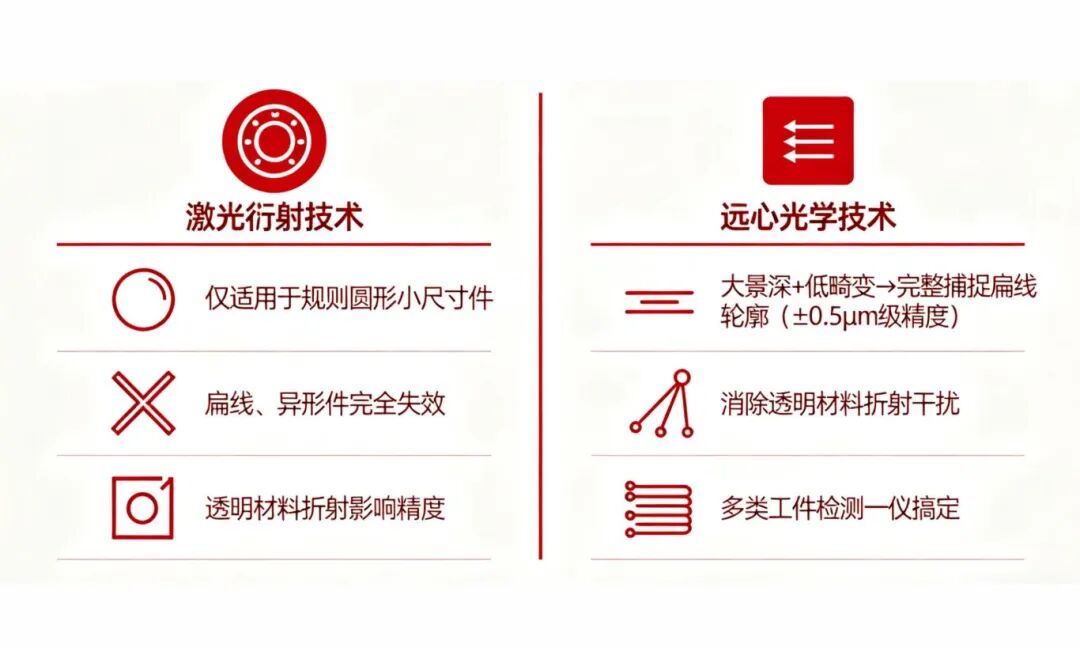
Laser diffraction offers high precision but is limited in environmental adaptability and application range;
Laser scanning is mature, but faces bottlenecks in stability and sampling speed.
Telecentric optics combines environmental adaptability, broad application coverage, stability, and high-speed sampling.
That is why DALA's TL Series is built around telecentric optical technology.
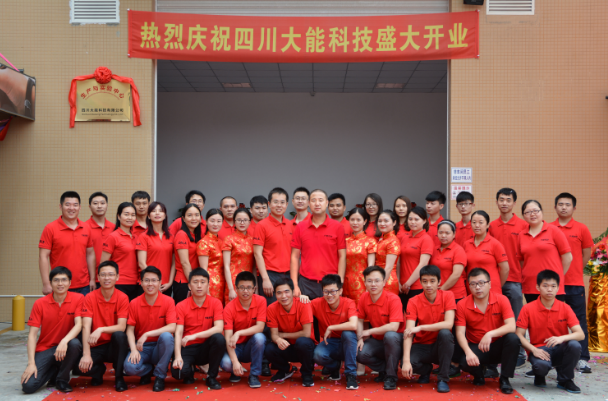

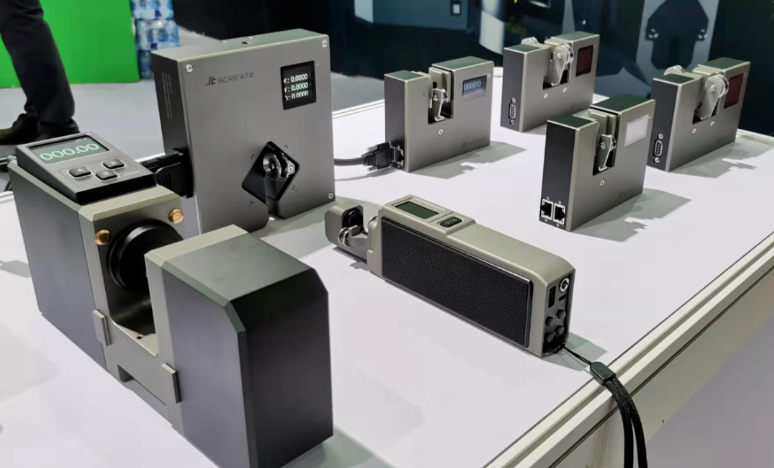
Provides end-to-end support from product selection to production line operation through on-site guidance and after-sales technical support.